
The Devil Wears Prada
Fashion's Most Anticipated Return
There are films people enjoy, and then there are films people adopt into culture. The Devil Wears Prada has always belonged in the latter category.
Long before social media introduced phrases like quiet luxury, office-core aesthetics and "that girl" culture, Miranda Priestly had already created a blueprint for aspiration. Nearly two decades later, the return of The Devil Wears Prada 2 isn't simply creating excitement because audiences loved the first film. It's creating anticipation because people are reconnecting with a world they never truly left.
That distinction matters.
Consumers today are more emotionally driven than ever. In fashion, particularly, we're witnessing a widespread return to archives, nostalgia and familiar references. Brands are reaching back to move forward because audiences increasingly crave familiarity & emotional connection in an increasingly saturated landscape.
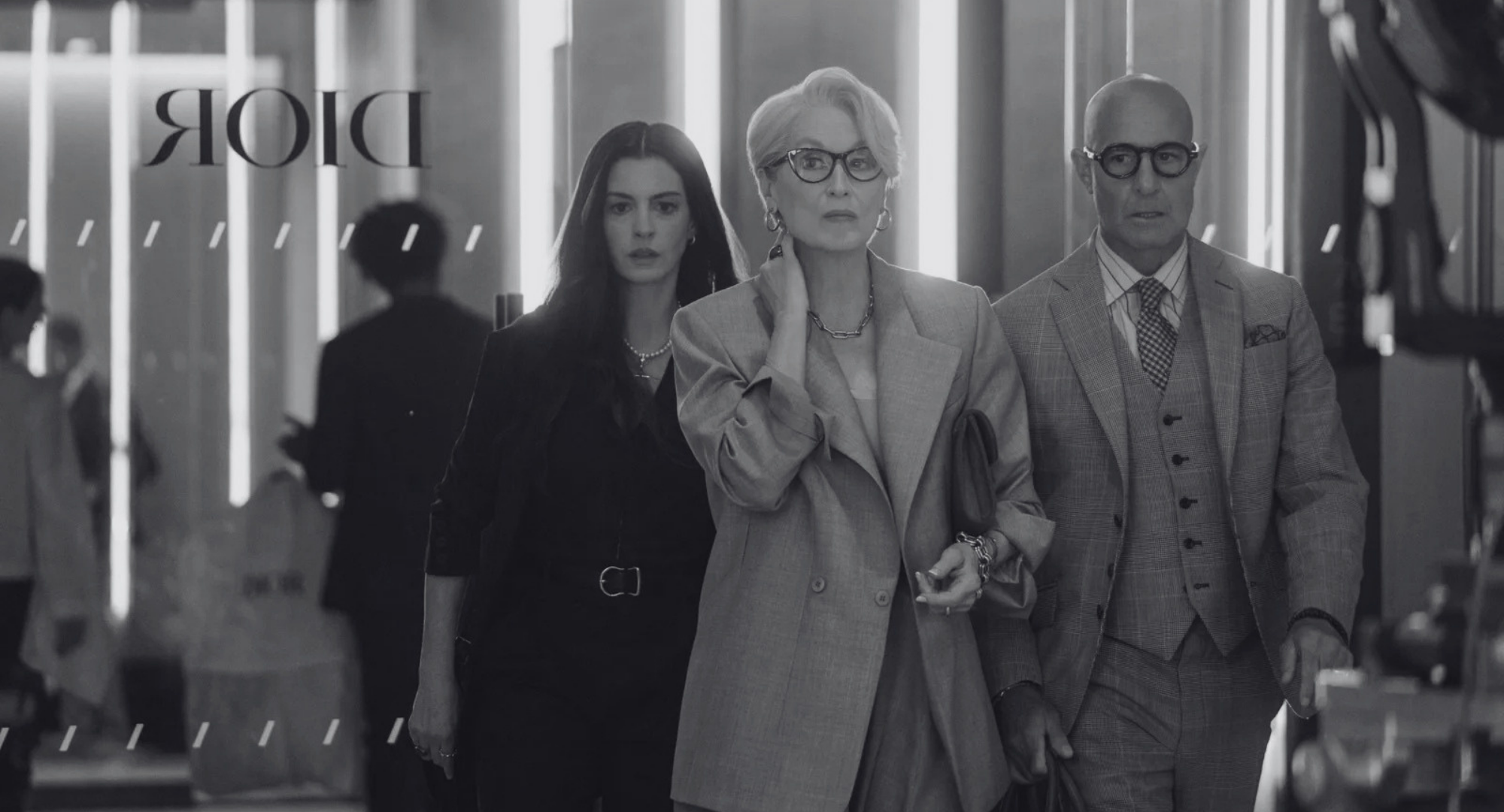
The return of Miranda Priestly represents something much bigger than a sequel announcement. She became an icon of ambition, power and precision. Andy represented growth and self-discovery. Emily represented loyalty and determination. Runway magazine itself became a symbol of aspiration.
Together, they created what many brands spend years trying to achieve: emotional ownership. This is where the marketing lesson sits. Brands often focus heavily on products, offers and visibility. Yet audiences rarely build long-term relationships with products alone. They connect with stories, characters and worlds that allow them to see themselves reflected back.
The Devil Wears Prada phenomenon proves that nostalgia works best when it isn't manufactured. It succeeds because it already owns cultural equity. The strongest brands do not simply create campaigns -They create worlds people want to return to.
