

Legends in Branding
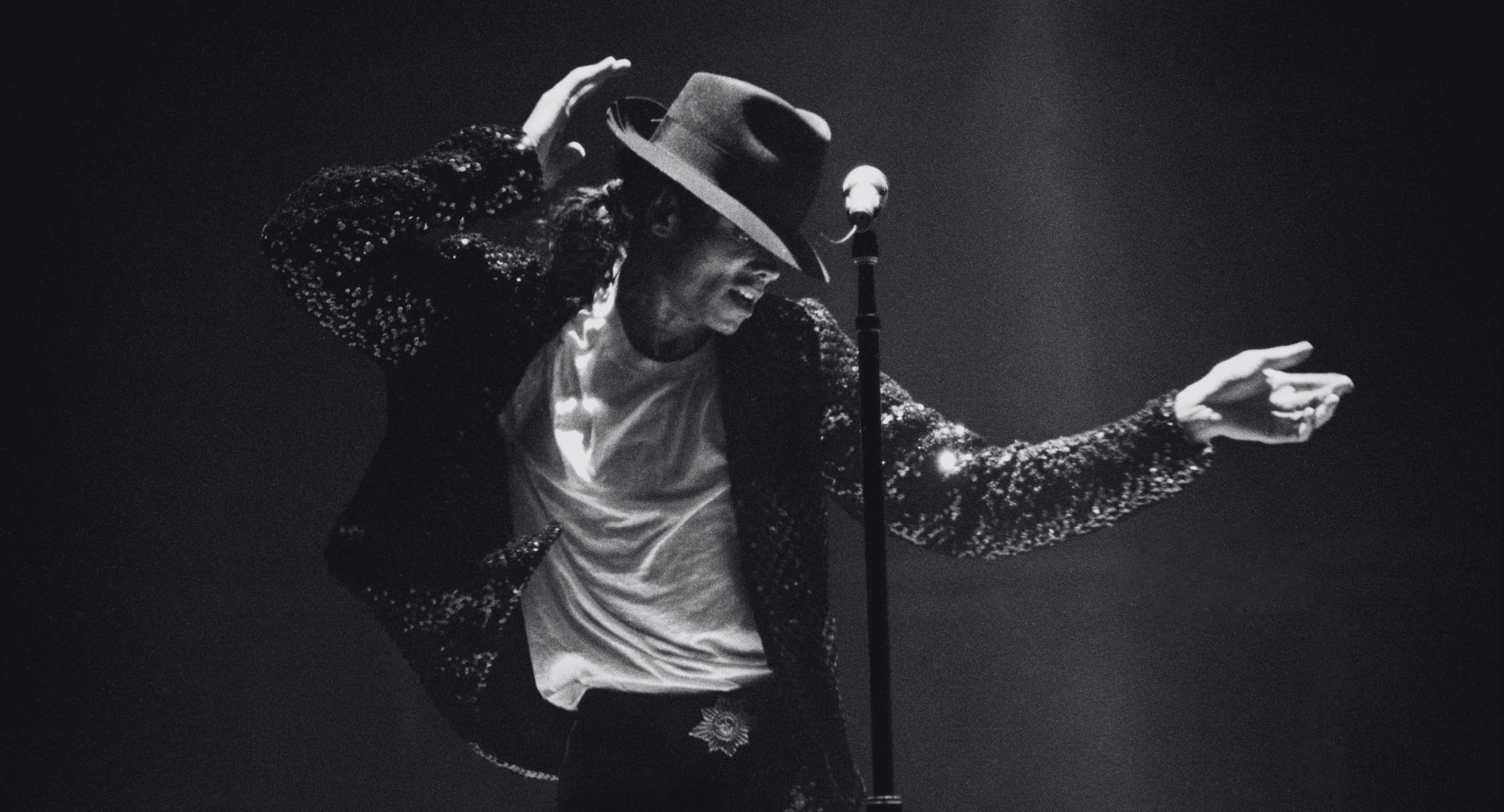
Michael Jackson: The Blueprint for Building an Irreplaceable Brand
Some people become famous. Some become iconic. Very few become truly irreplaceable.
Michael Jackson was never simply a musician. He became an entire cultural ecosystem, one that extended beyond songs and performances into fashion, visual storytelling, movement and identity itself.
Long before personal branding became a boardroom conversation or social media strategy, Michael Jackson had already mastered it.
Today, businesses spend years building brand recognition. They invest heavily in visibility, content, and positioning to become memorable in increasingly crowded markets. Michael Jackson achieved something much rarer. He built recognition before a single lyric even played.
The glove. The silhouette. The military-inspired jackets. The fedora. The choreography. The moonwalk.
Each visual element became instantly connected to him, creating a language that audiences understood immediately. People didn't need a logo to identify the brand because the identity itself had become unmistakable.
And that's where the lesson sits.
Many modern brands become consumed with following trends because trends create attention. There is constant pressure to evolve quickly, adopt new aesthetics and remain visible in the conversation. Visibility certainly matters, but visibility without identity can become forgettable.
Michael Jackson understood consistency at a level few brands ever reach. His music sounded unmistakable. His visuals carried a recognisable style. His performances felt theatrical and emotionally charged. Every element worked together cohesively rather than existing independently.
That consistency created emotional memories.
Audiences weren't simply listening to music. They were buying into a feeling, an experience and a world that felt unique to him. The strongest brands operate in the same way. They do not rely solely on products or campaigns; they create emotional associations that remain long after a purchase or interaction.
Years later, his influence continues to shape music, fashion, performance and pop culture because the identity surrounding him became larger than any single album release. For businesses and personal brands, the takeaway is clear. Build something so distinct that even if your name disappeared, people would still recognise exactly who it belongs to.
Because there is a significant difference between being relevant and becoming a legacy.
